Strong rental demand
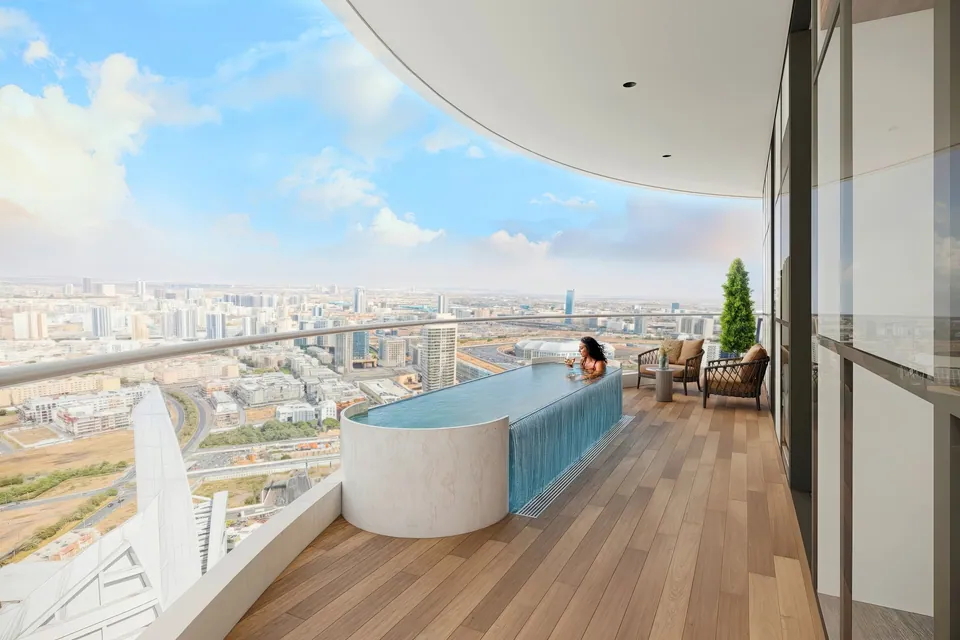
Dubai's growing population keeps demand for rental homes strong, and rental returns have generally compared well with cities like London, New York and Hong Kong. Returns vary by area and property and aren't guaranteed.
Home / Why Dubai
Why DubaiDubai isn't just a city; it's a vision of the future. Here's why investors and families from around the world are choosing it.
A third of the world's population lives within a four-hour flight of the UAE, and two-thirds within eight hours [5]. London, Mumbai, Nairobi and Singapore are all a direct flight away.
Typical direct flight times from Dubai; actual times vary by airline and route.

Dubai's growing population keeps demand for rental homes strong, and rental returns have generally compared well with cities like London, New York and Hong Kong. Returns vary by area and property and aren't guaranteed.

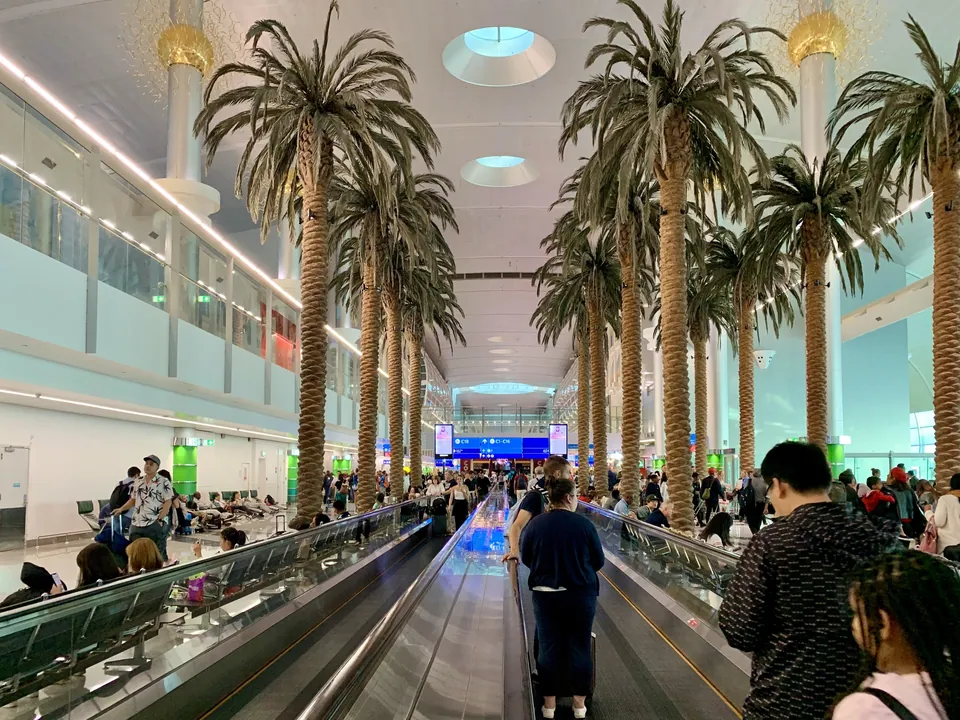
Situated at the crossroads of Europe, Asia and Africa, Dubai is a strategic business and tourism hub, and home to the world's busiest international airport.

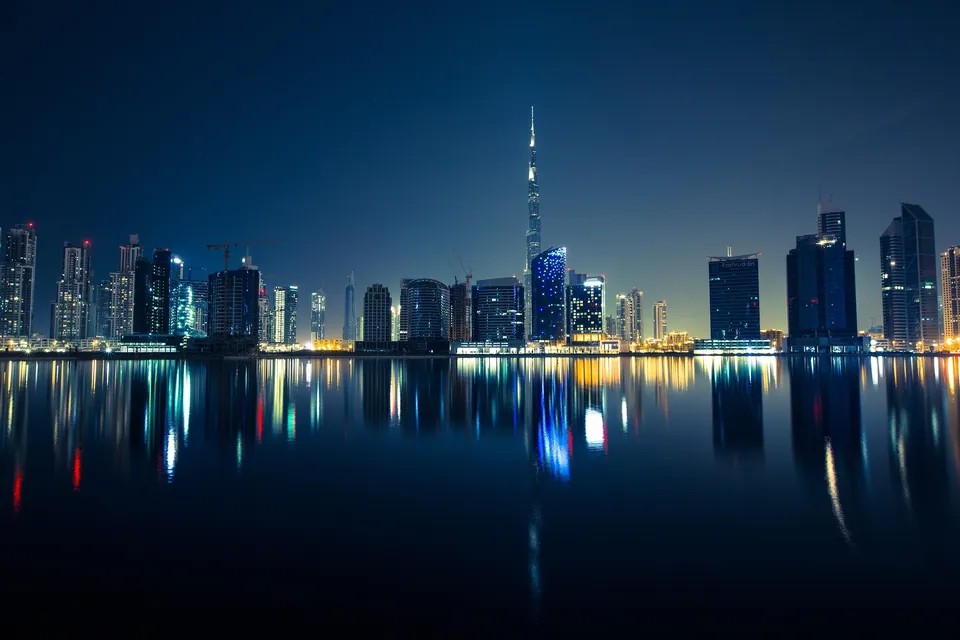
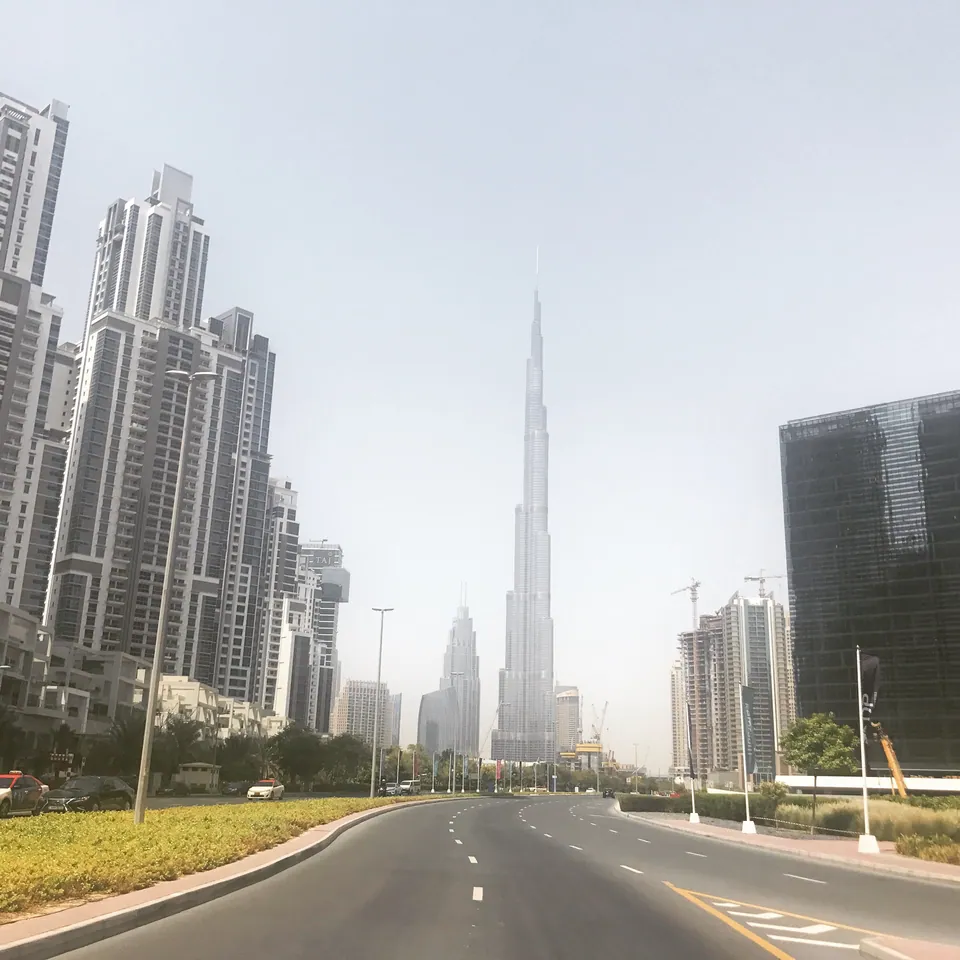
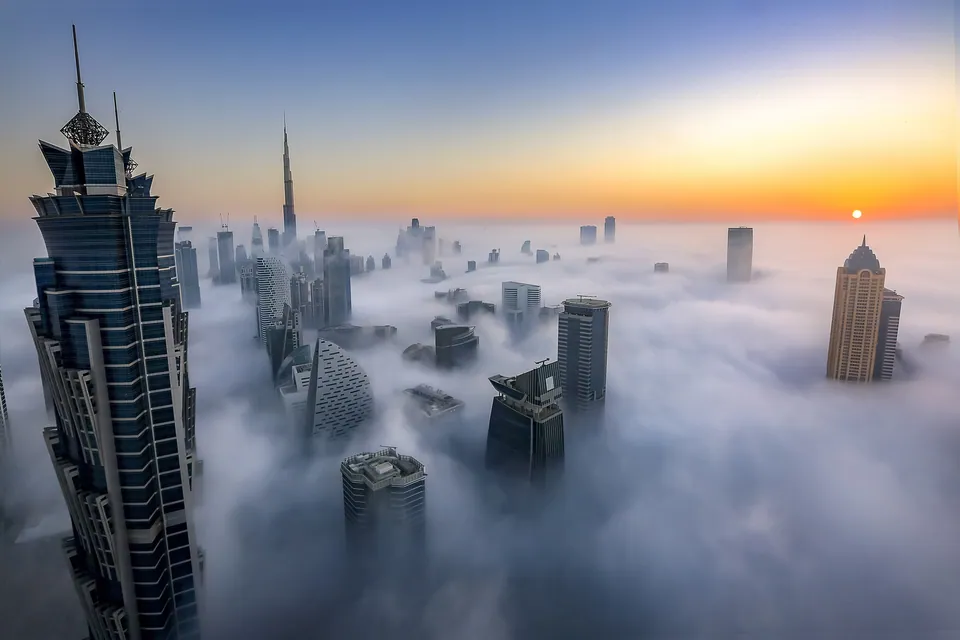
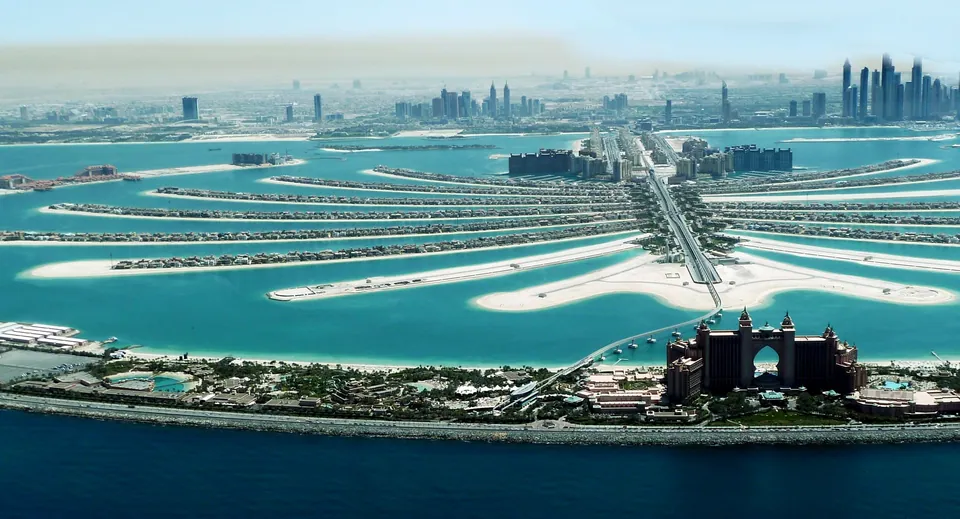
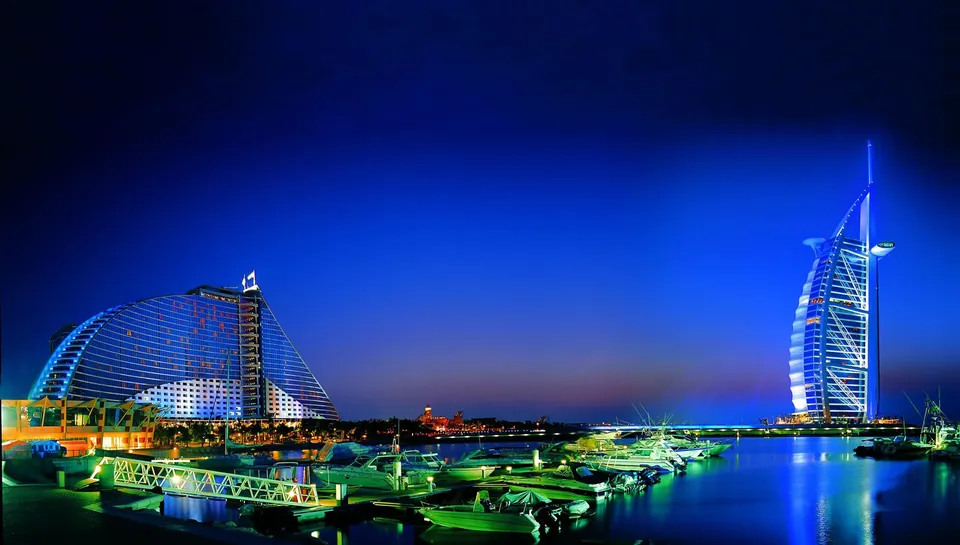
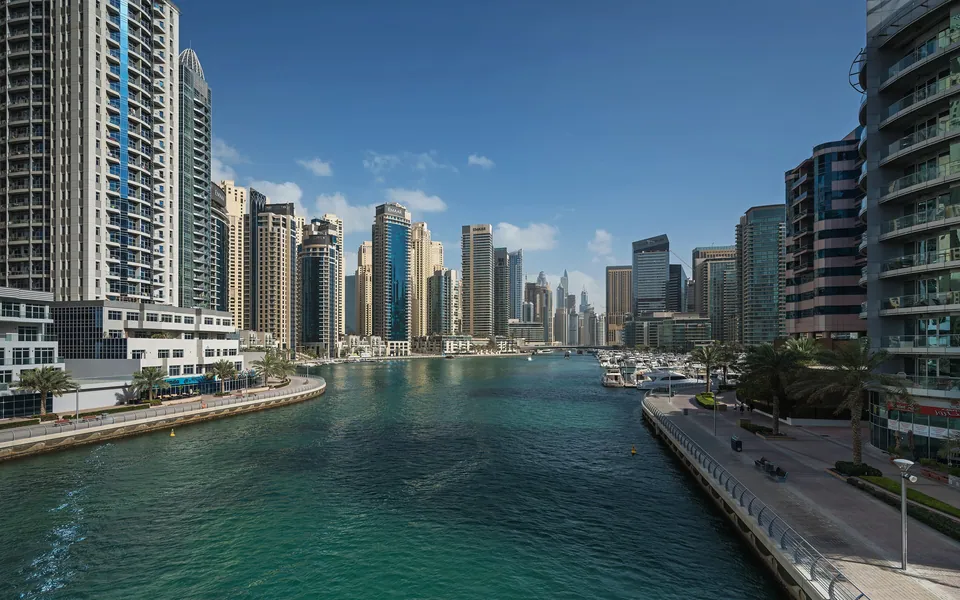
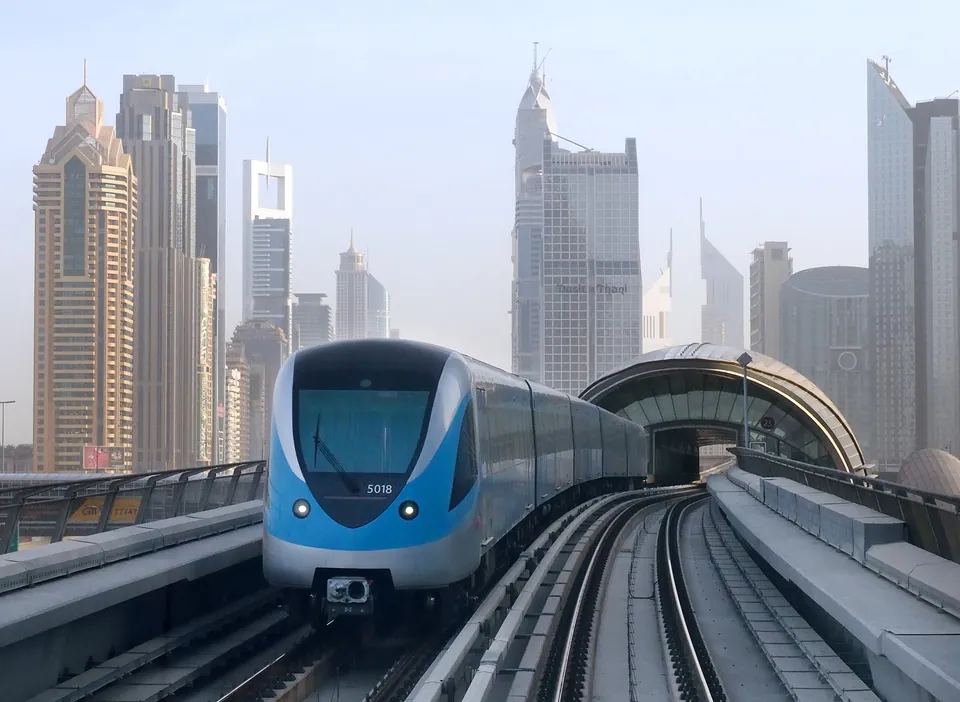
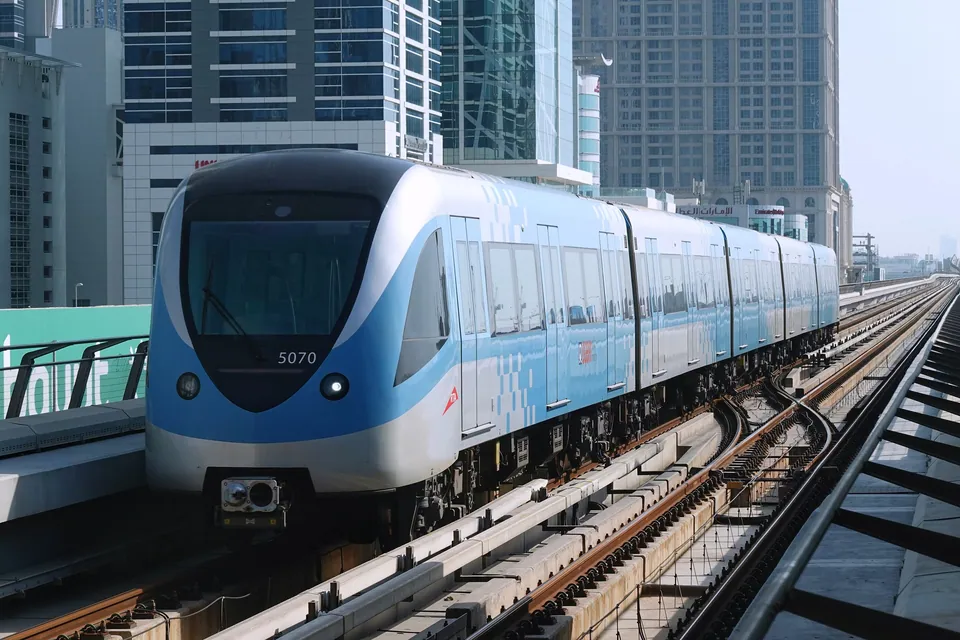
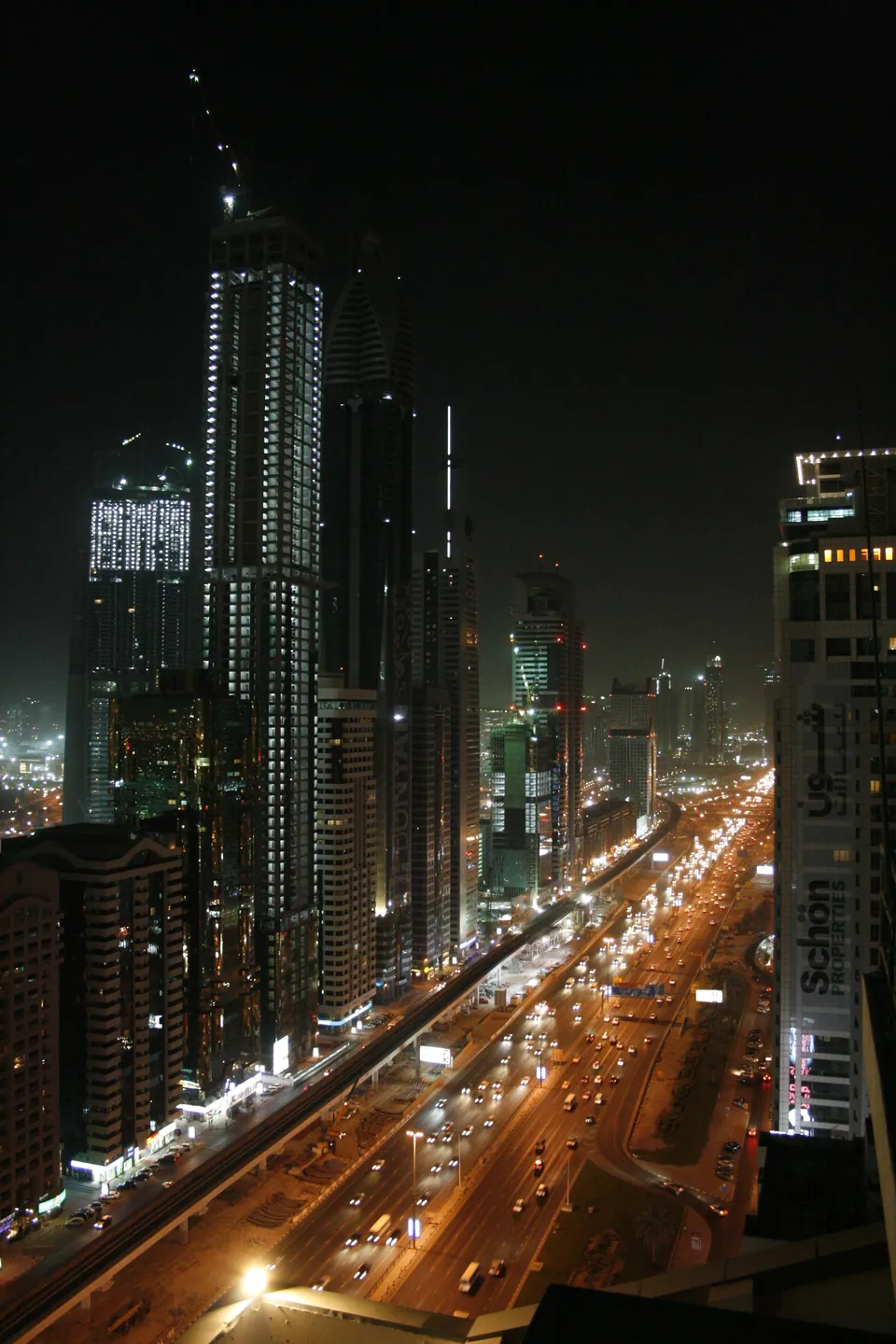
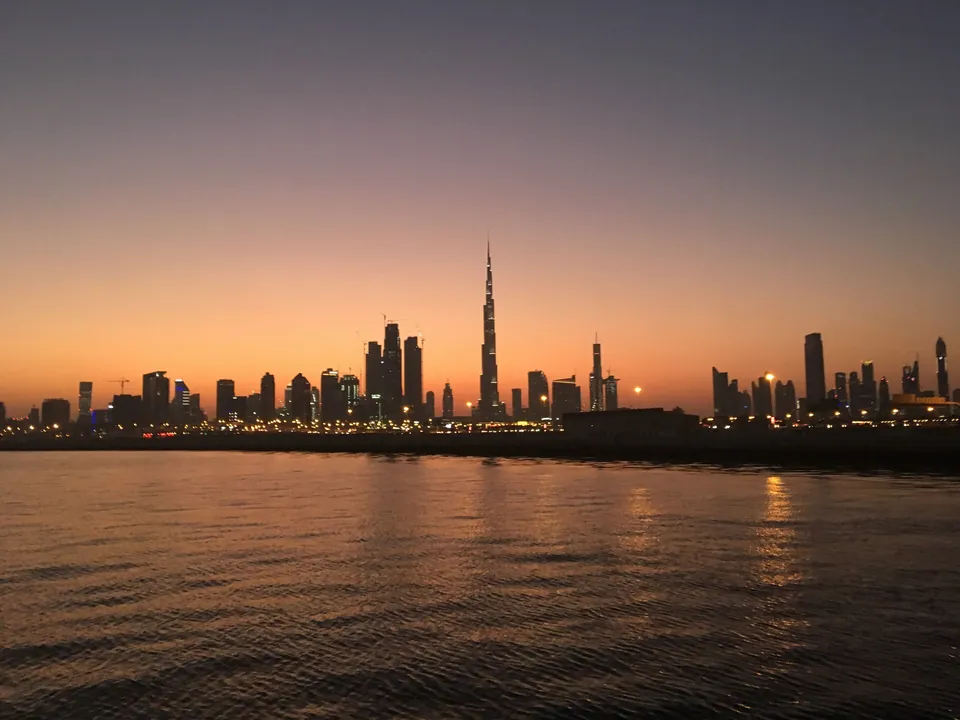
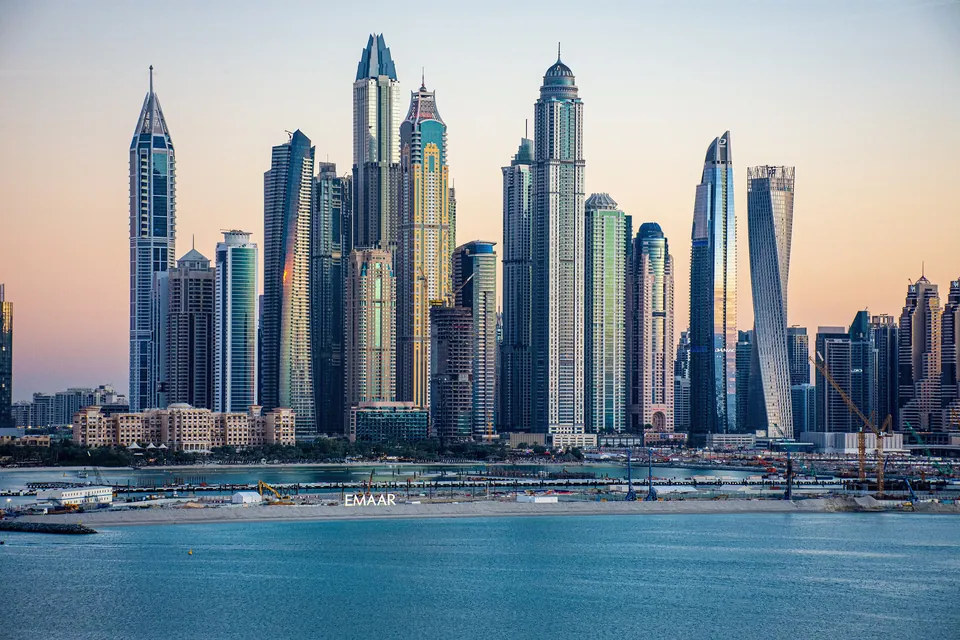
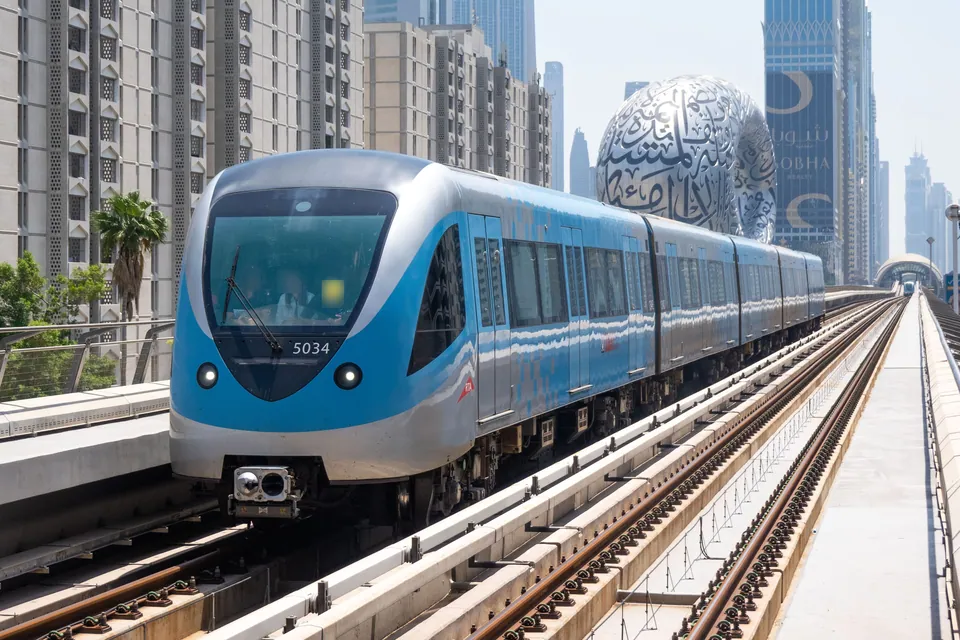
From the Burj Khalifa to Dubai Marina and Palm Jumeirah, Dubai's landmark projects are supported by world-class roads, an expanding driverless metro and careful urban planning.

Investors pay no annual property tax, no income tax and no capital gains tax on property, so you keep more of your rental income and resale profit.

Dubai's population keeps growing, driven by professionals, entrepreneurs and families relocating from around the world, and every new resident needs a home.

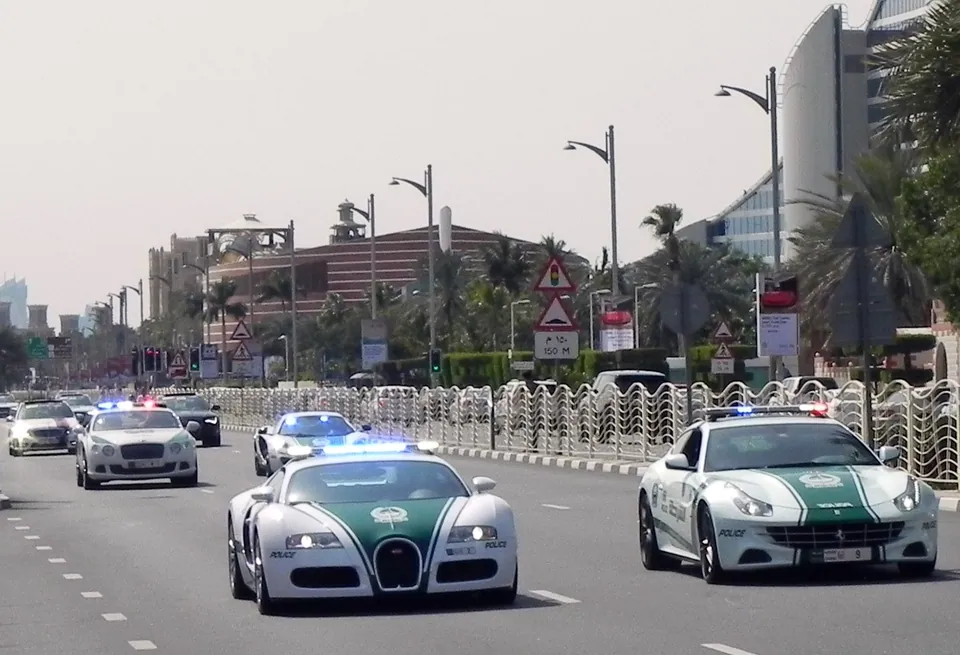
Dubai is consistently ranked among the safest cities in the world, and its legal framework and investor-friendly regulation protect residents and their investments.

Qualifying property investors can apply for the 10-year UAE Golden Visa, with residency for the whole family and access to world-class healthcare and education.
Few cities have as many globally recognised addresses, and that recognition supports demand from tenants, tourists and buyers.


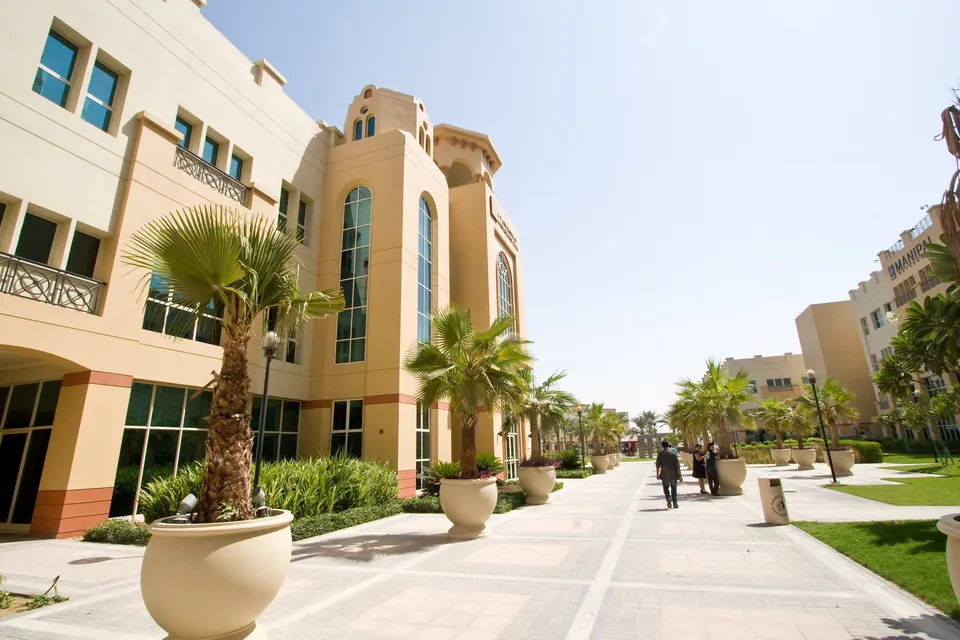
Dubai's private schools offer British, American, IB, Indian and other international curricula, alongside branch campuses of international universities. The sector keeps growing: 26 new private education institutions are opening for the 2026–27 academic year, including seven schools and two international universities, adding nearly 17,000 school seats [6].
Healthcare is regulated by the Dubai Health Authority, with internationally accredited hospitals and specialist clinics across the city, and a dedicated medical free zone, Dubai Healthcare City. Residents have access to high-quality private care, and health insurance is required for residents.
New transport links usually lift demand in the communities they reach, which is why we watch these projects closely.
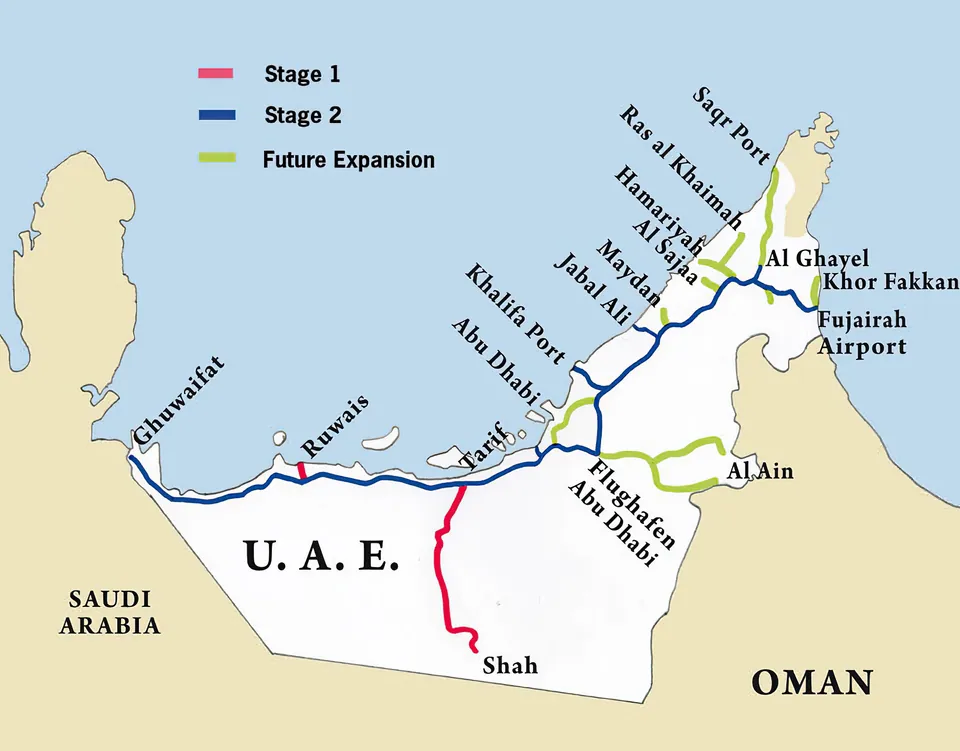
The UAE's national rail network is launching passenger services, connecting 11 cities across the emirates [7].

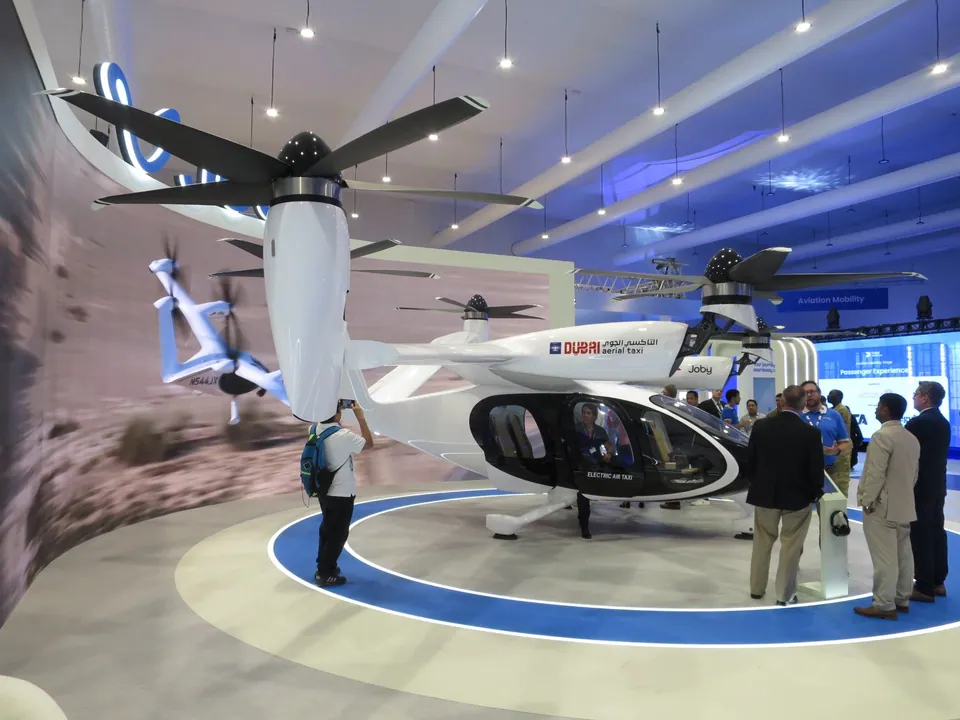
Electric air taxis are preparing to launch in Dubai, with vertiports planned at Dubai International Airport, Palm Jumeirah and other locations [8].

A new line linking areas including Dubai Creek Harbour, Dubai Silicon Oasis and Academic City to the existing network [9].

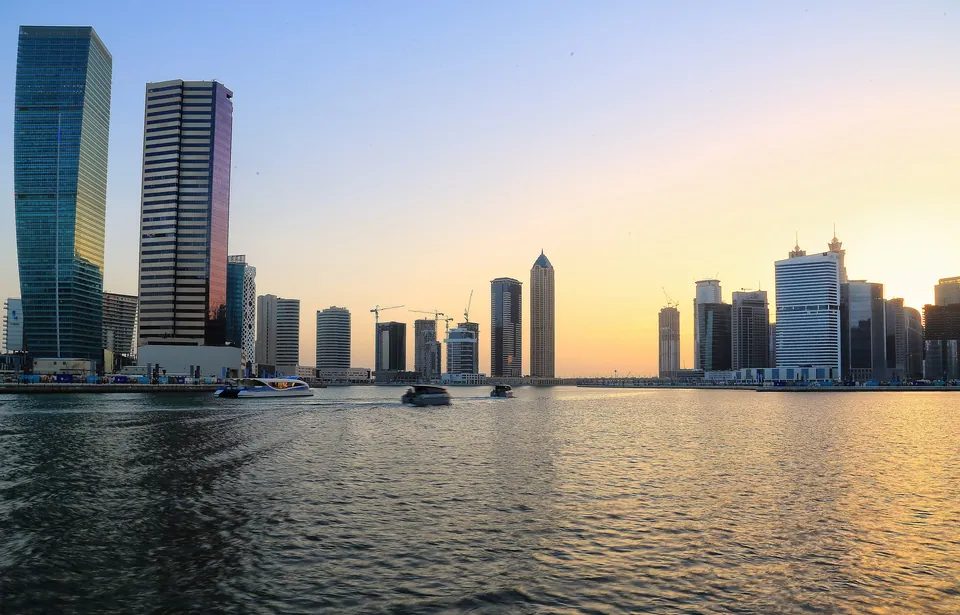
An AED 34 billion, 42 km underground line through Business Bay, Meydan, Al Barsha South and Jumeirah Village Circle (JVC), home to our Electra and LUME projects [10].

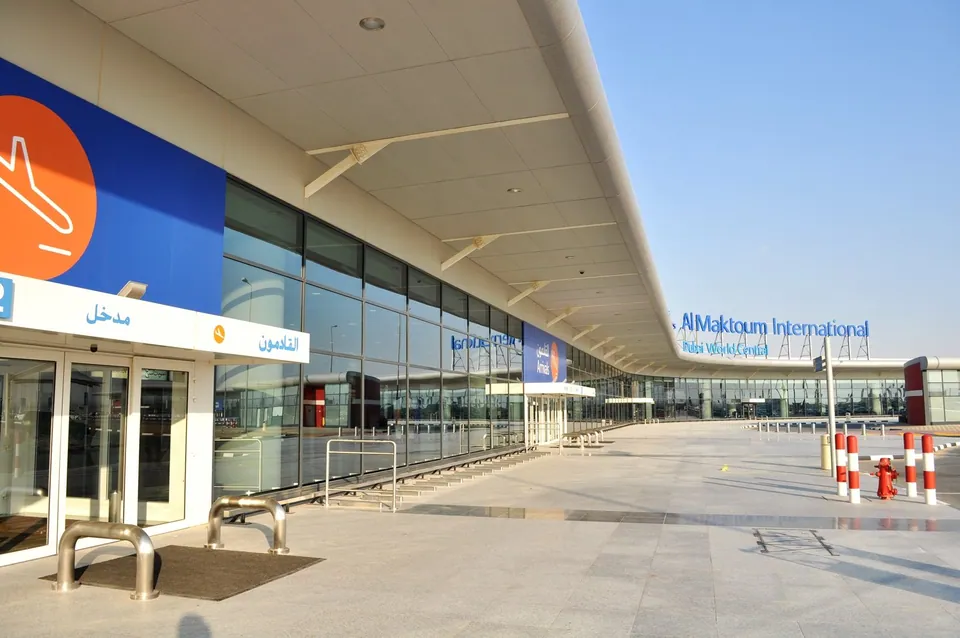
An AED 128 billion expansion of Al Maktoum International in Dubai South, set to become one of the largest airports in the world, with five runways and capacity for up to 260 million passengers a year [11].

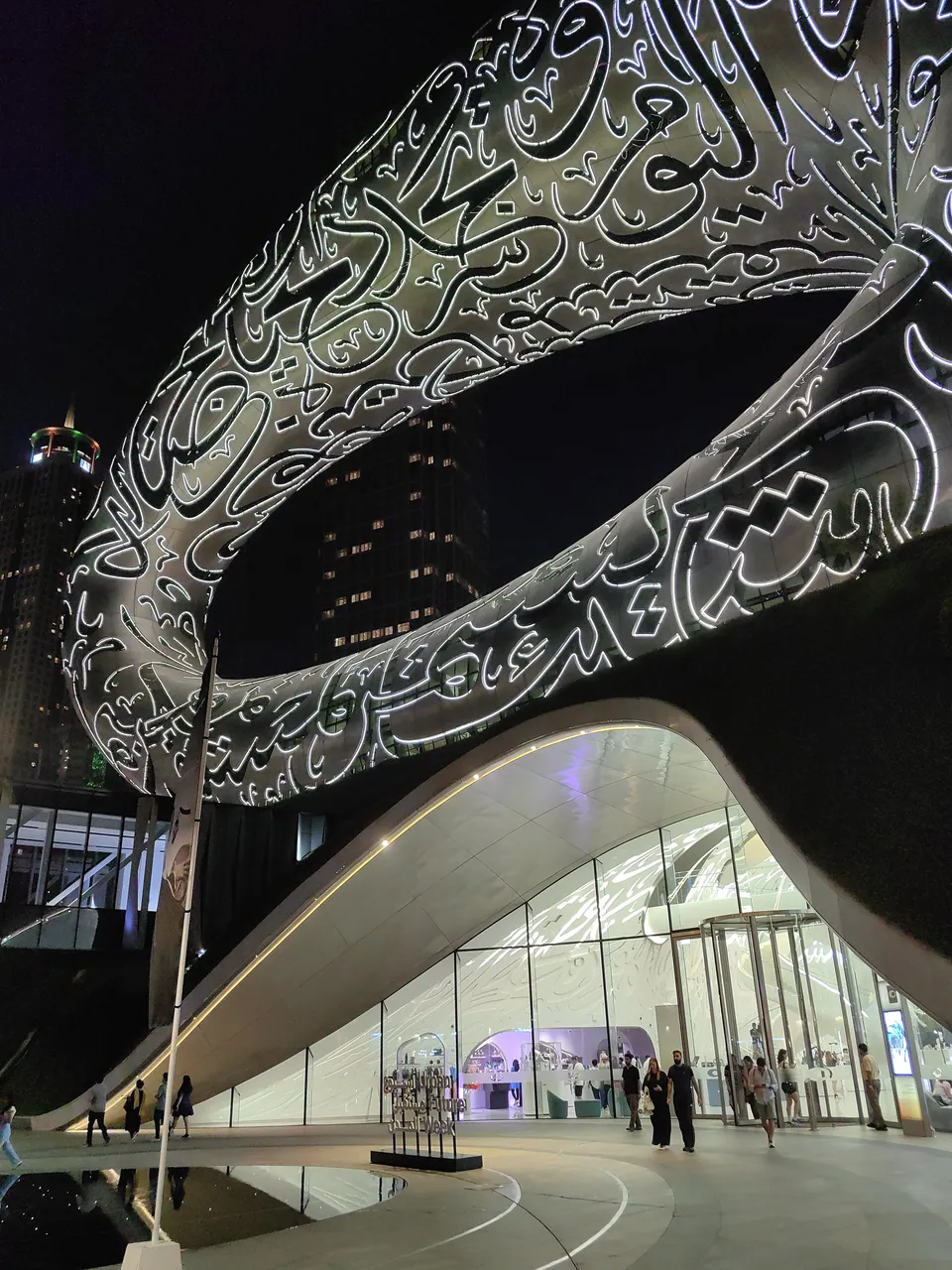
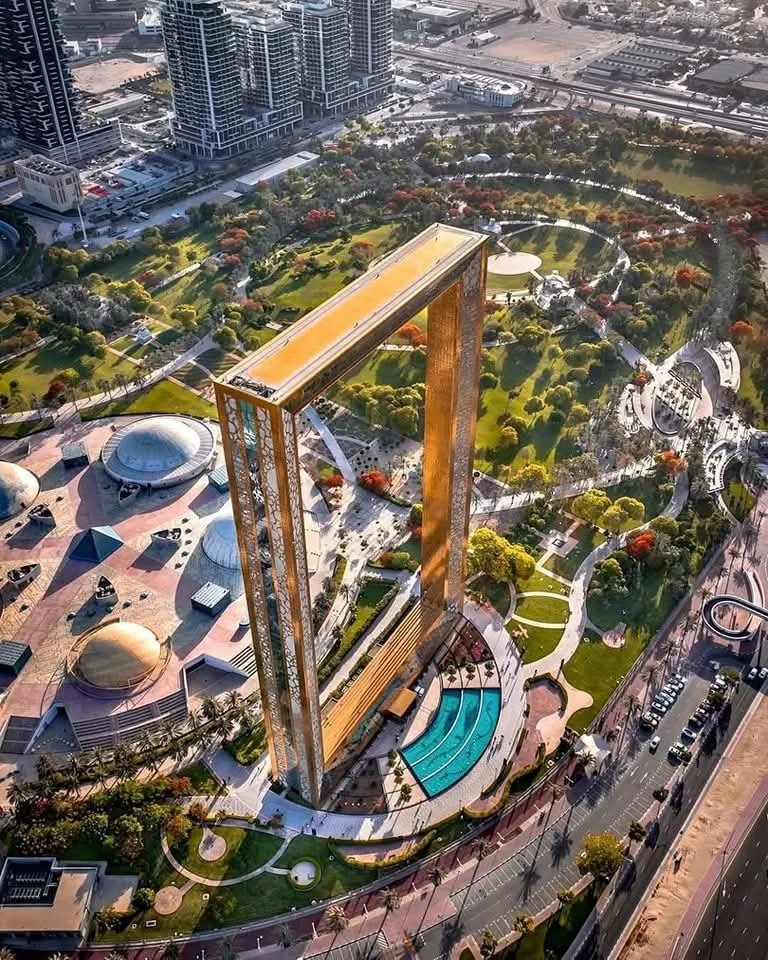
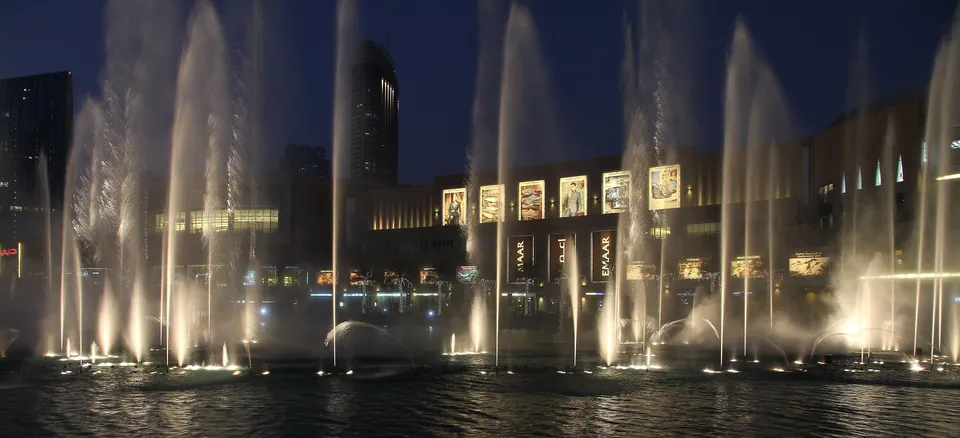
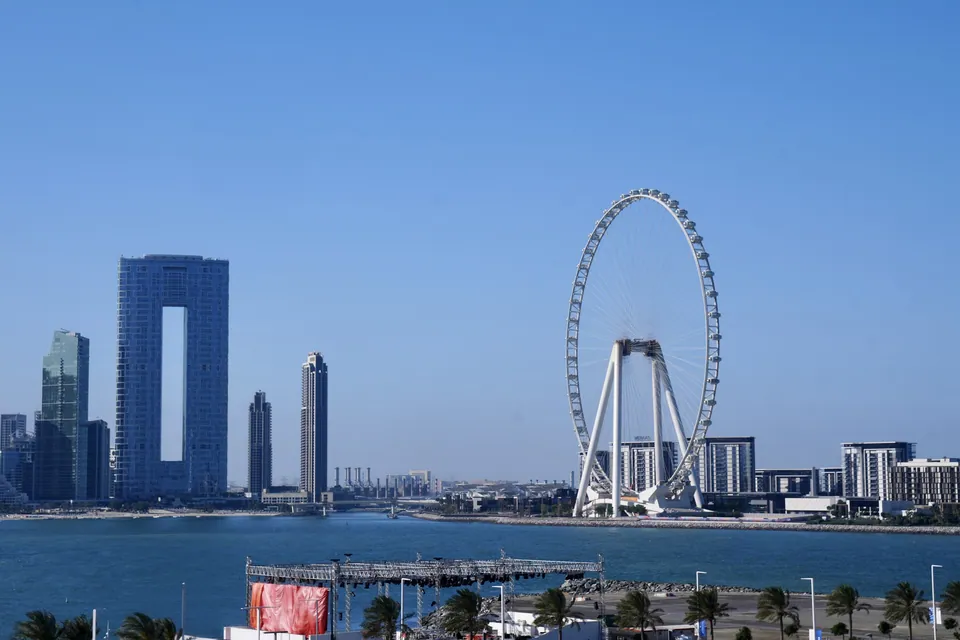
Beyond the skyline, a new wave of projects shows how ambitious Dubai design has become. These are not our listings; they're simply developments we think are worth knowing about.
Dubai Canal · Kengo Kuma
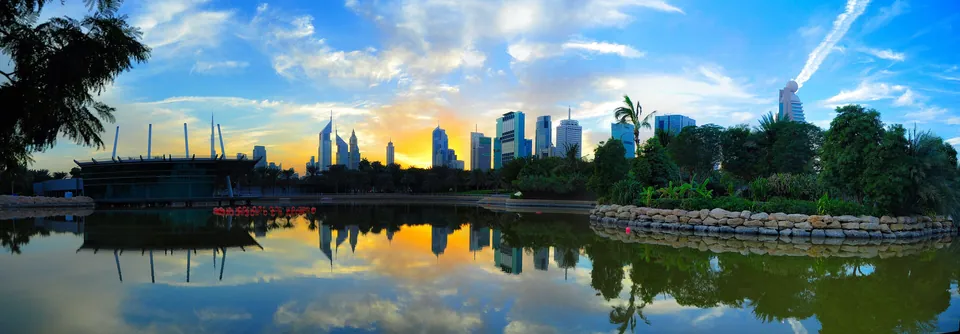
Zabeel Park · opening 2028
Sheikh Zayed Road · former "Big Ben"Photos show each project's location. Details are correct as of September 2026 and may change.
Enquire about our exclusive investment opportunities. Let's make your investment journey a success.